Focusing on concrete needs and empowering local administrations are the foundational elements of the strategy of the Malta Council for Science and Technology to develop a competitive space sector.
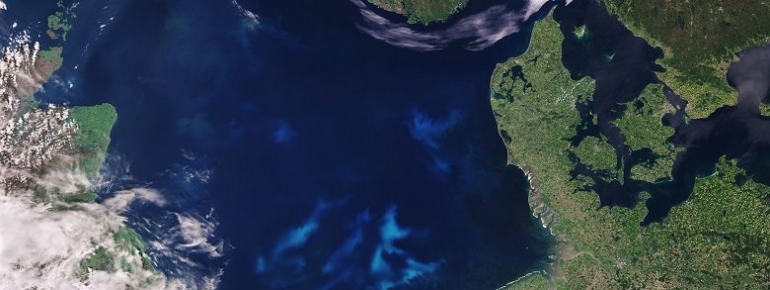
Space applications can transform the maritime domains, by providing data and information that will foster a sustainable blue economy, and help protecting the ocean and preserving its resources. CNES wants to be at the forefront of the creation of a global “Sea & Space” strategy that federates public and private stakeholders to put science at the service of society.
Foster the development of innovative applications, bridge the gap between research and real-world needs, and establish international cooperation. This is the formula of the STEREO programme of BELSPO to support research in Earth observation.
Open doors to foreign partners, connect European and global partners to local companies and look for the hidden potential of the national economy. This is the approach of the Slovak Space Office to enhance the development of the space downstream sector.
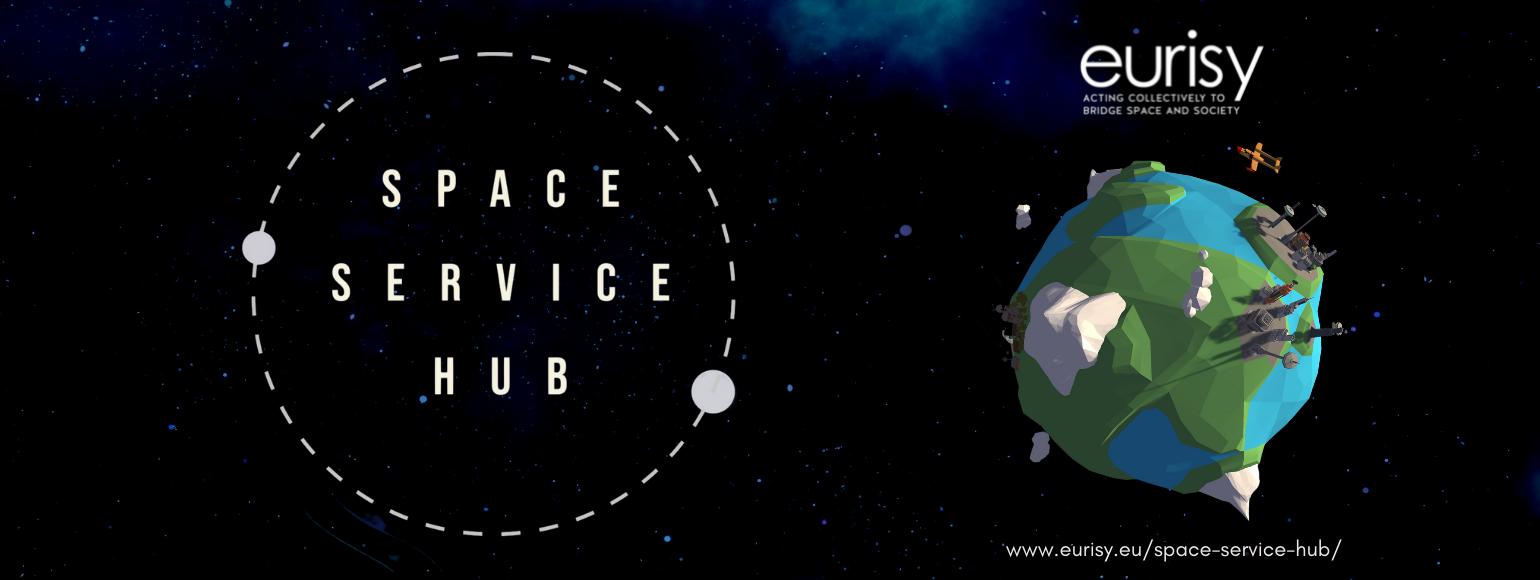
The Space Service Hub, is the new Eurisy one-stop-shop 3D platform to showcase European champions’ satellite based solutions in different areas from smart cities to rural and coastal areas. It allows space service providers to have permanent visibility of their flagship product and services while new potential users and customers can know more about satellites and the opportunities offered. The SSH is powered by ESA and embedded in the Eurisy website. It also consists of a virtual reality software to bring the users into an immersive experience.
During the first webinar of the Eurisy Members’ Corner series, Davide Coppola, Business Developer and Project Manager at ESA, provided insights into the support and funding opportunities made available by ESA to private companies of all sizes to integrate space technologies and bring their products to the market.
Eurisy and CNES are looking for public and private organisations using Copernicus data and services to be featured in case studies and short videos. Submit your story today!
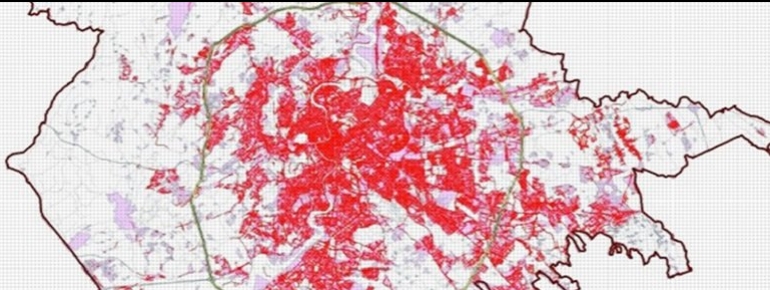
The use of Earth Observation (EO) data in civil engineering is not common. Yet, something is changing. Italian SME Survey Lab with its expertise in development, distribution and promotion of EO data and geomatics based monitoring systems, took the opportunity of H2020 project I.MODI, to demonstrate the importance of integrating different data streams into the map-based products used by civil engineers.
Better diagnostics, prevention, care, coordination and information – can satellites play a role in mitigating Europe’s healthcare sector challenges? Together with our members at CNES and the European Space Agency and our partners from ECHAlliance and MEDES we joined the first edition of the Pro Digital Heath Congress to share hands-on examples on how space can make e-health services accessible to all.
According to the 2018 Annual Economic Report on EU Blue Economy, it comprises all the economic activities related to oceans, seas and coasts, that cover of established sectors (eg.: Aquaculture, fisheries, etc.) and new ones (eg. Blue bio-economy and biotechnology, etc.). It is important to define what “blue economy” means in order to better explain its relevance to social and economic development and why satellite technologies can be a game-changer in this sense.
We use cookies on our website to give you the most relevant experience by remembering your preferences and repeated visits. By clicking “Accept”, you consent to the use of ALL the cookies.
This website uses cookies to improve your experience while you navigate through the website. Out of these cookies, the cookies that are categorized as necessary are stored on your browser as they are essential for the working of basic functionalities of the website. We also use third-party cookies that help us analyze and understand how you use this website. These cookies will be stored in your browser only with your consent. You also have the option to opt-out of these cookies. But opting out of some of these cookies may have an effect on your browsing experience.
Necessary cookies are absolutely essential for the website to function properly. This category only includes cookies that ensures basic functionalities and security features of the website. These cookies do not store any personal information.
Any cookies that may not be particularly necessary for the website to function and is used specifically to collect user personal data via analytics, ads, other embedded contents are termed as non-necessary cookies. It is mandatory to procure user consent prior to running these cookies on your website.